Cycling for Transportation: The Japanese Example
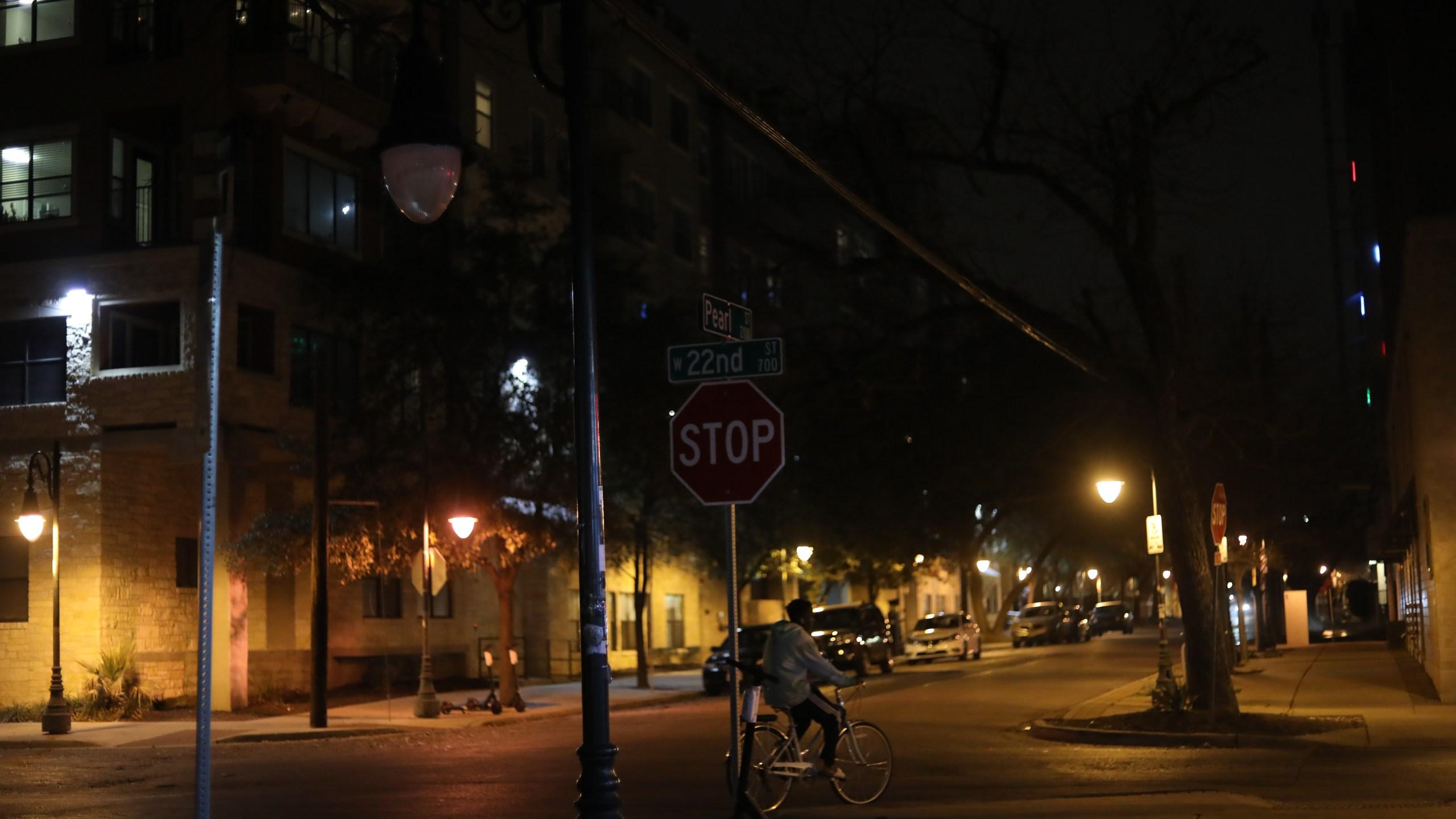
In 1997, San Francisco and Osaka commemorated their 40-year sister city relationship with a conference that engaged delegates in the rich culture of Osaka, including its deep-rooted bicycle culture. Observing the practical use of bikes in the Osaka Prefecture provided unique insights into cycling as a mainstream form of transportation, striking a chord with bicycle advocates from the West.
Bike Design and Accessibility
The modest design and accessibility of bicycles in Osaka exemplify a preference for practicality over performance, with most citizens utilizing one-speed, durable bikes fitted for the urban commute. The localized appeal and affordable cost encourage this as a standard means of transport, reducing reliance on expensive automotive alternatives.
Communal Streets and Safety

Narrow streets shared equitably by cyclists, motorists, and pedestrians may lead to occasional accidents, but the overall safety record is commendable, reflecting a cooperative transport environment. At a relaxed pace, helmet-less riders ubiquitously traverse the city, despite the inherent risks.
Integration with Public Transit
The symbiotic relationship between cycling and the esteemed transit system in Osaka is evident, with bike-to-train commutes supported by user-friendly parking garages and lots, promoting a seamless journey for the daily commuter.
Bicycle Parking and Security Concerns
Despite the omnipresence of bicycles and the high-density urban population, bike security is a lesser concern in Japan due to a generally lower crime rate and the intrinsic nature of bikes as utilitarian, easily replaceable commodities. Simple locking mechanisms suffice, reflecting the social trust and respect embedded within the community.
Economic Motivations Behind Bike Usage
The decision to bike in Japan is often driven by economic practicality. With high costs associated with car ownership and operation, cycling emerges as a wallet-friendly alternative for the population, especially in densely populated cities like Osaka, despite growing car usage rates.
Bike Commuting: A Reflection
The widespread adoption of biking in Osaka as a lifestyle rather than a mere recreational activity is an eye-opener for global cycling advocates. It posits biking as a mature, sensible choice, challenging the car-centric maturity narrative prevalent in other cultures.
Copenhagen
- Tivoli Hotel Copenhagen
- Manon Les Suites
- Admiral Hotel Copenhagen
- Bella Skies
- Steel House Copenhagen
- Copenhagen Island Hotel
- Citizenm Copenhagen
- Andersen Boutique Hotel
- Ascot Hotel Copenhagen
- Axel Guldsmeden
- Coco Hotel Copenhagen
- Villa Copenhagen
- Urban House Copenhagen By Meininger
- Comfort Hotel Vesterbro
- Hotel Sanders Copenhagen
- Annex Copenhagen
- Grand Joanne Copenhagen
- The Square Copenhagen
- Copenhagen Marriott Hotel
- Scandic Webers
- Wakeup Copenhagen
- Copenhagen Strand
- Scandic Front Copenhagen
- Hotel Ansgar
- Comwell Copenhagen Portside
- Moxy Copenhagen Scandiagade
- Hotel Skt Petri
- Urban Camper Hostel Copenhagen
- Scandic Kodbyen
- Charlotte Haven
- Zleep Hotel Copenhagen
- Hotel Sct Thomas
- Copenhagen Star Hotel
- Hotel Amager Copenhagen
- Hotel Sp34 Copenhagen
- Hotel Hebron
- Scandic Copenhagen Hotel
- Hotel Copenhagen
- 71 Nyhavn Hotel Copenhagen
- Copenhagen Holidays
- Spas In Copenhagen
- Copenhagen Youth Hostel
- Cheap Holidays To Copenhagen
- Family Hotel Copenhagen
- Apartment Hotels Copenhagen Denmark
- B&B Köpenhamn
- Copenhagen City Centre Hotels
Billund
Aarhus
- Radisson Red Aarhus
- Radisson Blu Aarhus
- Zleep Hotel Aarhus
- Scandic Aarhus City
- Wakeup Aarhus
- Comwell Aarhus