The Indelible Mark of C.L.R. James on Literature and Politics

The intellectual journey of Cyril Lionel Robert James, who carved his path as an influential thinker from the Caribbean, is both profound and debated. As an author, historian, and political theorist, James’ writings, particularly The Black Jacobins, have inspired numerous scholars and activists. Yet, his intellectual legacy is a complex tapestry woven with threads from diverse spheres such as sports criticism, literary analysis, and Pan-African politics.
Early Life in the Caribbean Context
C.L.R. James' early years in Trinidad provided a unique blend of academic privilege and cultural richness that would influence his future works. His family's emphasis on respectability and education set him apart, laying the foundation for his later ambitions. James’ decision to remain in Trinidad, despite access to further education abroad, reflected a dedication to his origins and foresaw a lifelong engagement with Caribbean issues.
From Cricket Fields to Political Arenas
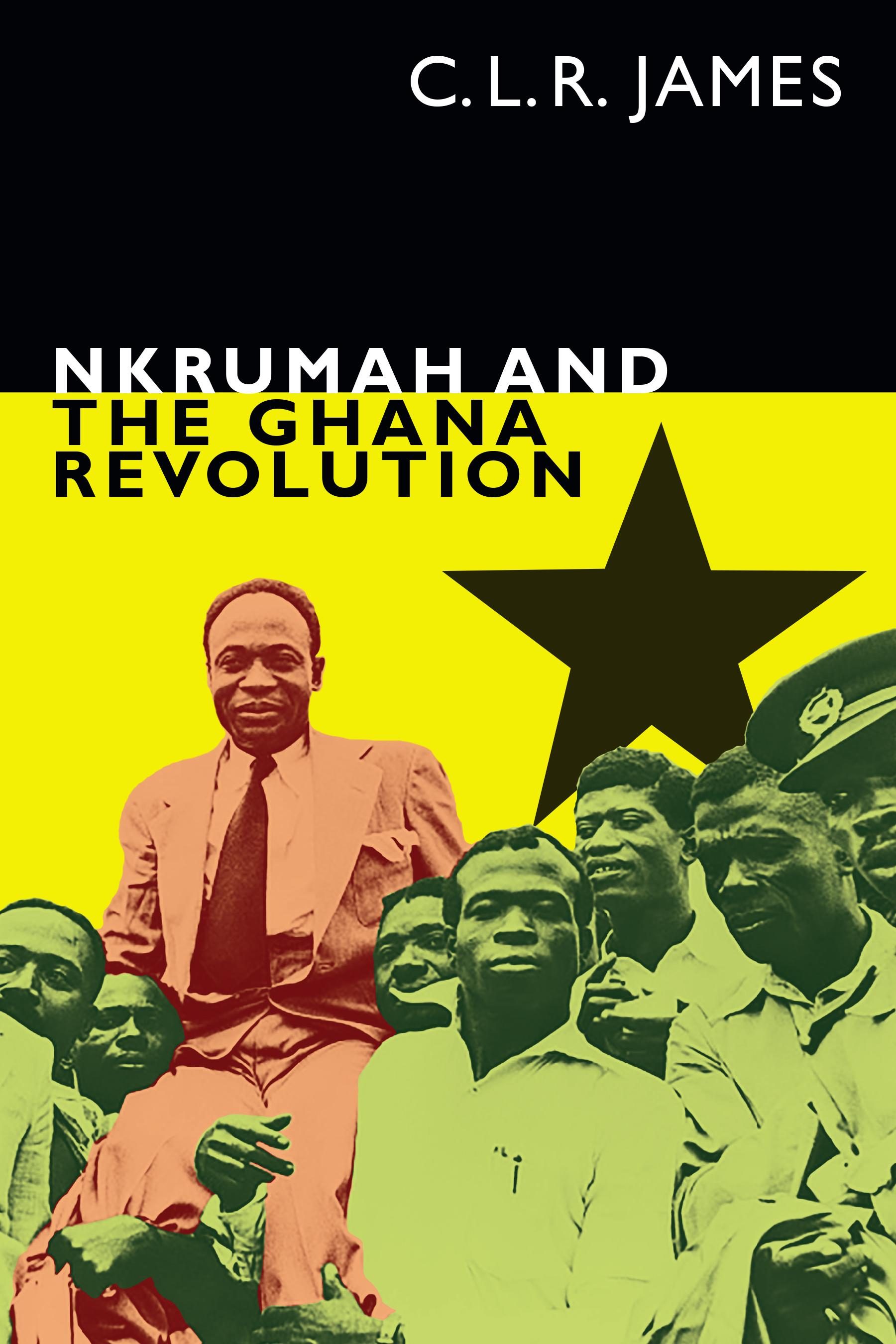
Before becoming an internationally renowned thinker, James was best known as a cricket player and fan, a sport he not only mastered on the field but also explored in his writings. His love for cricket was matched by his passion for literature, sowing the seeds for his future role as an eminent intellectual. His multifaceted career started to gain momentum when he migrated to Britain, which proved to be the platform for his broader political engagement.
The Intersection of Marxism and Pan-Africanism
James' political philosophy was deeply rooted in Marxism, but his approach was also permeated by a strong Pan-African consciousness. Through his work, he sought to adapt Marxist theory to the sociopolitical realities of the Caribbean and African countries, illustrating the interconnectedness of class and race struggles.
The Black Jacobins: A Seminal Work

The Black Jacobins remains James' most significant contribution to historical and political literature. His vivid portrayal of the Haitian Revolution and its leaders challenged prevailing narratives about race and colonialism, positioning the work as a cornerstone of both Marxist historiography and postcolonial studies.
Intellectual Contributions and Controversies
James' intellectual pursuits covered a vast array of topics over the years, reflecting the dynamism of his thought processes. However, the absence of a definitive analysis of his life's work has led to academic and political contention, with varying factions laying claim to his intellectual legacy. Regardless, James stands out for his emphasis on the autonomy and revolutionary potential of the oppressed.
The Caribbean Influence on James' Ideology
James' Caribbean background deeply influenced his worldview. His wrestle with the dual consciousness of colonial legacy and Western civilization’s achievements informed his quest for understanding humanity's broader struggles. His commitment to Marxism persisted, and his analyses reflected the complexities of global political movements.
Travel and the Echoes of C.L.R. James
For the contemporary traveler, immersion in the Caribbean is not only an opportunity to savor the vibrant cultures but also to engage with the region's storied past. Exploring destinations like Trinidad, where James’ formative years unfolded, offers a window into the environment that shaped such a monumental figure. The interspersion of travel experiences with visits to historical sites and discussions on James' works can deepen understanding and appreciation for the Caribbean's enduring legacies and its impact on literature and political thought. As hotels across the region seek to enrich the travel experience, some have begun to incorporate local history into their hospitality offerings, allowing guests to partake in the intellectual heritage that luminaries like C.L.R. James have left behind.
Copenhagen
- Tivoli Hotel Copenhagen
- Manon Les Suites
- Admiral Hotel Copenhagen
- Bella Skies
- Steel House Copenhagen
- Copenhagen Island Hotel
- Citizenm Copenhagen
- Andersen Boutique Hotel
- Ascot Hotel Copenhagen
- Axel Guldsmeden
- Coco Hotel Copenhagen
- Villa Copenhagen
- Urban House Copenhagen By Meininger
- Comfort Hotel Vesterbro
- Hotel Sanders Copenhagen
- Annex Copenhagen
- Grand Joanne Copenhagen
- The Square Copenhagen
- Copenhagen Marriott Hotel
- Scandic Webers
- Wakeup Copenhagen
- Copenhagen Strand
- Scandic Front Copenhagen
- Hotel Ansgar
- Comwell Copenhagen Portside
- Moxy Copenhagen Scandiagade
- Hotel Skt Petri
- Urban Camper Hostel Copenhagen
- Hotel Ottilia Copenhagen
- Crowne Plaza Copenhagen
- Arne Jacobsen Sas Royal Hotel In Copenhagen
- Saga Hotel Copenhagen
- Scandic Kodbyen
- Copenhagen Plaza
- Cabinn Apartments
- Go Hotel City
- Charlotte Haven
- Zleep Hotel Copenhagen
- Hotel Sct Thomas
- Copenhagen Star Hotel
- Copenhagen Holidays
- Spas In Copenhagen
- Copenhagen Hotels Cheap
- Copenhagen Youth Hostel
- Family Hotels In Copenhagen
- Apartment Hotels In Copenhagen Denmark
- B&B Copenhagen Denmark
- Holiday Lets Copenhagen
- Cheap Hotels Copenhagen Centre
- Boutique Hotel Copenhagen Denmark