Understanding the Evolution of Marx's Revolutionary Theory

To truly grasp Carl Marx's vision of revolution, one must consider the progression of his thoughts throughout his career. His early works including 'The German Ideology' and 'Economic and Philosophical Manuscripts' laid a foundation, but it's the later works that provide richer insight, particularly when considering the experiences of the working class and its struggles.
The Revolutionary Practice as Marx's Laboratory
Marx viewed the labor movement as a testing ground for his theories. The Revolutions of 1848-49 and the Paris Commune of 1871 offered critical experiences that shaped his ideas, challenging early expectations and prompting a mature expression of his revolutionary theory within texts such as 'The Communist Manifesto' and 'The Civil War in France'.
The Birth of the Commune and a New Political Form
The Paris Commune was an unforeseen development, rising spontaneously from class struggle. It brought into existence a new state form—the world’s first workers' government. Marx held this development in high regard, reshaping his understanding of revolutionary processes and the state machinery.
Marx's Revolutionary Activism and Theoretical Rigor
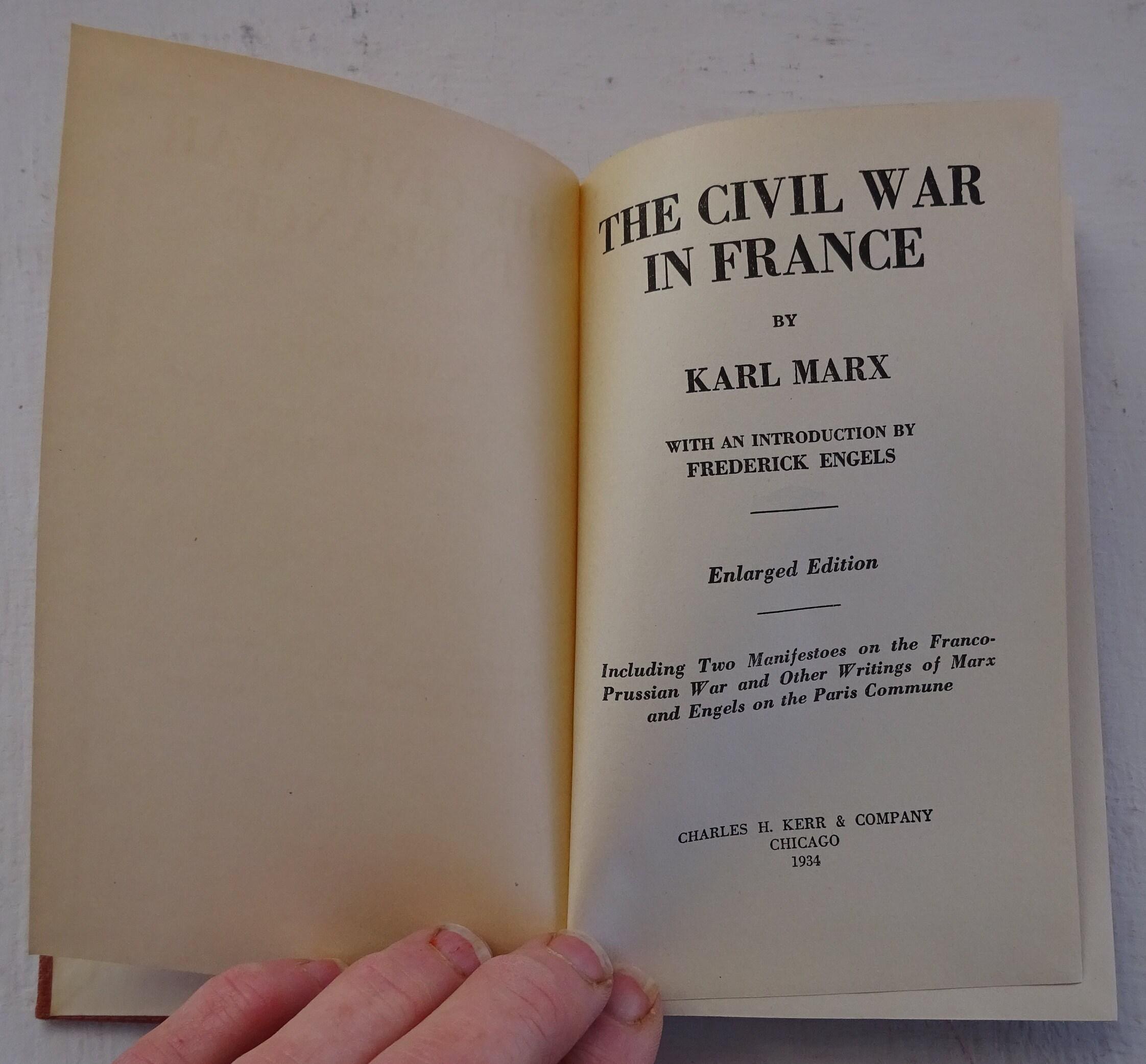
Marx's life was a tapestock of devotion to revolution. His immersion in Europe's working-class movement was total, involving not just penning influential texts but also engaging in activism through the Communist League, addressing labor rallies, and contributing to the International Working Men's Association.
The Paris Commune and Lessons Drawn by Marx
The commune demonstrated the elimination of a standing army and police, the necessity of addressing the needs of the peasantry and urban middle classes, and the importance of women's participation. Its downfall, however, emphasized the dire need for relentless and decisive action against the bourgeoisie.
The Dictatorship of the Proletariat and International Solidarity
The commendation of the Paris Commune by both Marx and Engels centered around the concept of the 'dictatorship of the proletariat'—a governance by the working class. The inclusive nature of the commune showed a form of international solidarity, welcoming foreign fighters and establishing the notion of a global workers' movement.
The Essential Element of Revolutionary Leadership
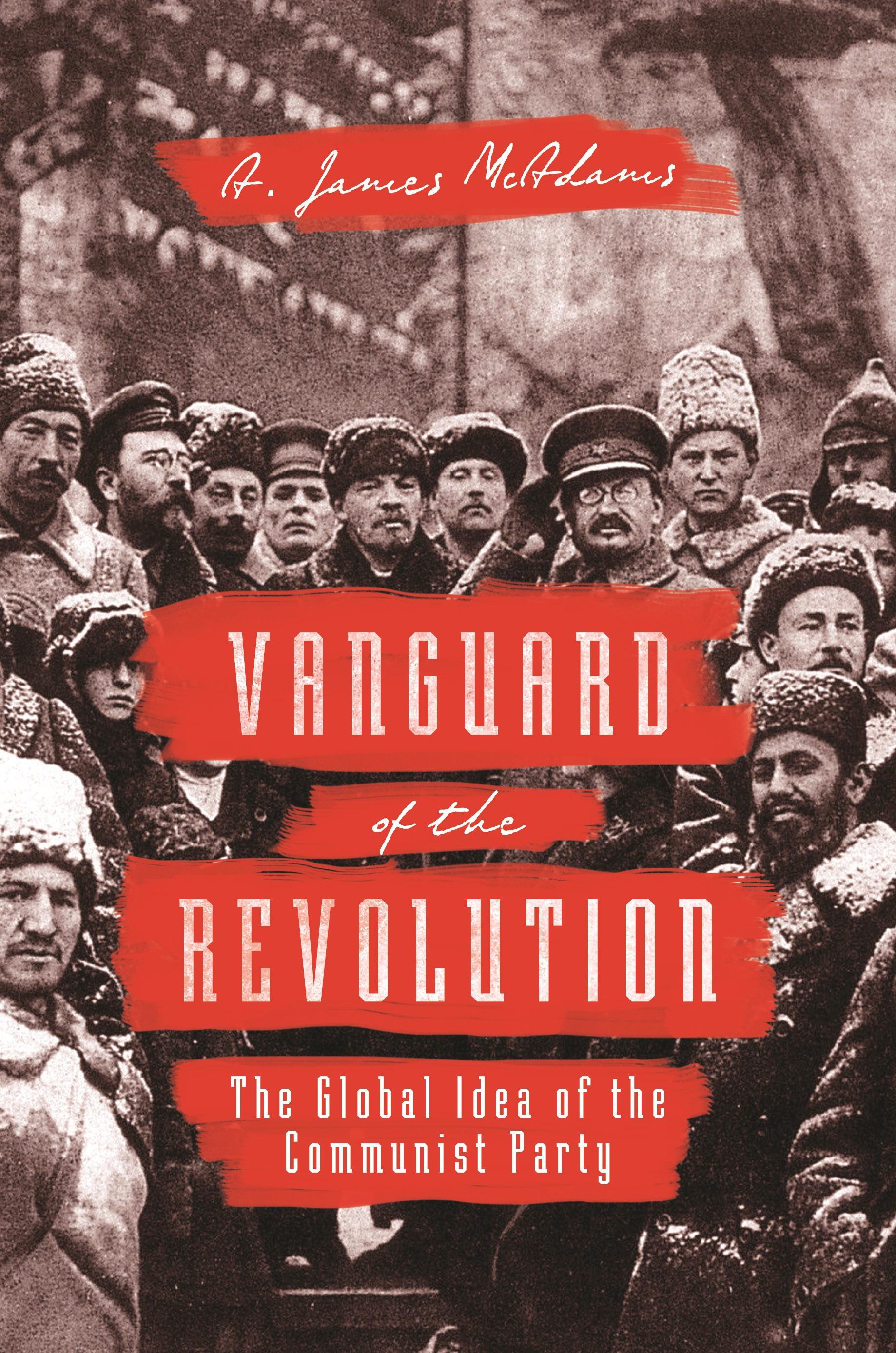
Marx considered that political maturity and leadership were critical to a successful revolution. The absence of a centralized revolutionary party was noted as a significant barrier to the success of the Paris Commune and future movements, emphasizing the necessity for a pre-established, influential, and organized party during revolutionary times.
Conclusion: The Onward March of Revolution
Marx's theory of revolution, infused by the real-world experimenation of the Paris Commune, leaves a legacy of understanding that the rise of a workers' state requires the confluence of objective conditions, the right international environment, and most critically, the subjective factor of organized revolutionary leadership.
Travel and Revolutionary Destinations: An Ongoing Journey
From the historical laneways of Paris to today's luxury hotels, the journey and significance of revolutions transcend time and place. The Paris Commune may be a memory, yet it touches those who seek to uncover the rich tapestry of mankind's quest for equity and governance. Exploring these revolutionary sites provides a unique perspective, not just on our past but also on our collective aspirations, much like a stay at a transformative destination enriches one's outlook.
Copenhagen
- Tivoli Hotel Copenhagen
- Manon Les Suites
- Admiral Hotel Copenhagen
- Bella Skies
- Steel House Copenhagen
- Copenhagen Island Hotel
- Citizenm Copenhagen
- Andersen Boutique Hotel
- Ascot Hotel Copenhagen
- Axel Guldsmeden
- Coco Hotel Copenhagen
- Villa Copenhagen
- Urban House Copenhagen By Meininger
- Comfort Hotel Vesterbro
- Hotel Sanders Copenhagen
- Annex Copenhagen
- Grand Joanne Copenhagen
- The Square Copenhagen
- Copenhagen Marriott Hotel
- Scandic Webers
- Wakeup Copenhagen
- Scandic Kødbyen
- Zoku Copenhagen
- Copenhagen Strand Hotel
- Scandic Front
- Crowne Plaza Copenhagen Towers
- Wakeup Copenhagen Carsten Niebuhrs Gade
- Adina Apartment Hotel Copenhagen
- Profilhotels Copenhagen Plaza
- Comwell Copenhagen Portside Dolce By Wyndham
- 71 Nyhavn Hotel
- Imperial Hotel Copenhagen
- Skt Petri Copenhagen
- Scandic Sydhavnen
- Moxy Copenhagen
- Scandic Copenhagen
- Go Hotel Ansgar
- Hotel Amager
- Kanalhuset Copenhagen
- A&O Copenhagen Sydhavn
- Go Hotel Saga
- Hotel Sp34
- Cph Studio Hotel
- Hotel Sct Thomas Copenhagen
- Copenhagen Holidays
- Copenhagen Spa
- Cheap Hotels Copenhagen
- Copenhagen Family Hotel
- Best Hostels In Copenhagen
- Hotels In Copenhagen City Centre
- Copenhagen Vacation Rentals
- Aparthotel Copenhagen
- Best Boutique Hotels Copenhagen
- Bed And Breakfast Copenhagen
- 5 Star Hotels In Copenhagen
- Luxury Hotels Copenhagen
- Design Hotels Copenhagen
- Copenhagen City Hall
- Copenhagen Airport Accommodation
- 4 Star Copenhagen Hotels
- King'S Garden Copenhagen Denmark
- Vrijstad Christiania
- Stroget Copenhagen Denmark
Billund
Aarhus
- Radisson Red Aarhus
- Radisson Blu Aarhus
- Zleep Hotel Aarhus Skejby
- Zleep Hotel Aarhus Viby
- Aarhus Hostel
- Aarhus Rentals
- Cheap Hotels In Aarhus
- Aarhus Lodging